
The community I wish I'd had every step of the way.
Get the proven blueprint, a room of like-minded investors,
and personalized coaching from me on your deals.
Inside the Accelerator
Six places the room shows up for members, week after week.
Two Live Mastermind Calls Each Week
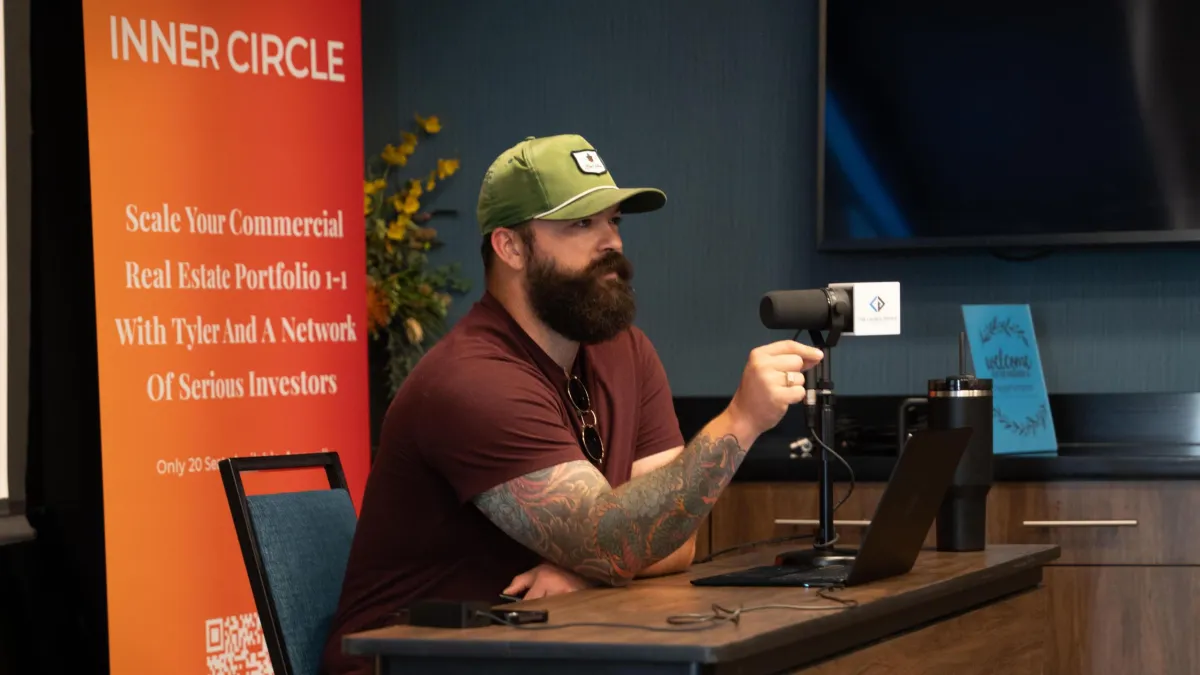
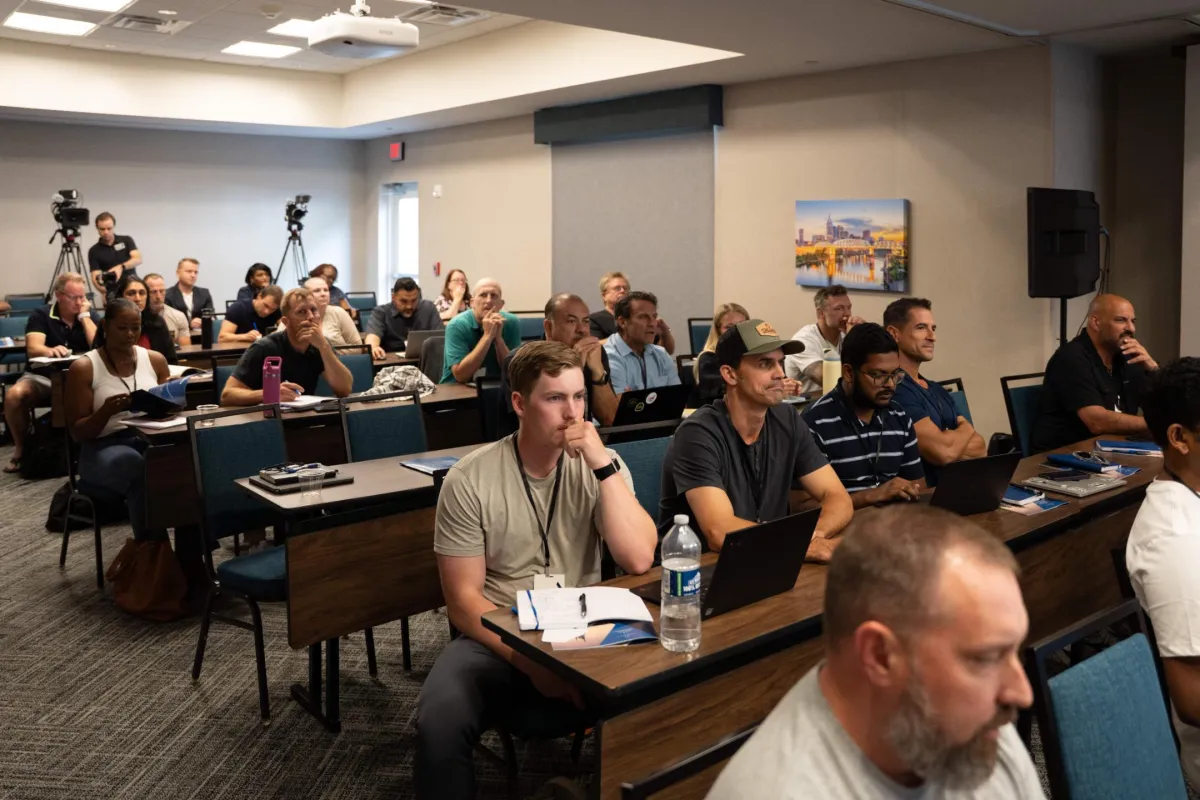
Bring your real deals to the calls. Get pressure-tested on structure, pricing, capital stack, and risk in real time, led by Tyler and rotating guest experts.
Real Deal Underwriting and Structuring
Analyze live deals (yours or others') on every call. See how experienced operators think through pricing, capital stack, and risk before they write the offer.
Hot Seats When You Need the Room's Full Attention
Take the floor when you need to. Get a deep-dive on the specific deal, partnership, or scaling decision in front of you with full focus from the room.
Private Peer Network
150+ active commercial real estate operators sharing live deal flow, lender intros, contractor referrals, and real-time feedback in a private chat group.
Small Group Deal Reviews and Accountability
Get paired with fellow investors for tighter feedback loops on live deals, accountability check-ins, and partnerships that lead to bigger deals together.
In-Person Member Events Two to Three Times a Year
Quarterly meetups built to deepen relationships, surface new partnerships, and open doors to bigger deals you'd never source from behind a computer.
How the Accelerator Works
You're here to scale your portfolio — to close better deals, faster, with fewer of the mistakes that take years to undo. The Accelerator is the sounding board and the experience that gets you there. The room exists so you don't have to learn the expensive lessons on your own deal. Most of the value shows up in three places: finding the right deals, underwriting them honestly, and getting the close over the line.
Source on-market and off-market deals through seven channels we've refined over a decade of doing this. The bigger lift: members share live deal flow with each other every week, including off-market opportunities that never hit a listing site. The longer you're in, the more your pipeline compounds.
Pressure-test every deal with member-tier software — Deal Analyzer, Deal Desk, Due Diligence Tracker — and bring it to the room for feedback. The collective experience in the Accelerator runs deep across every major asset class and capital structure. Tap into it before you write the offer — that's where the soft assumptions get caught.
Most deals die here — even for experienced operators. Counter-offers come back ugly. Financing wobbles in the last two weeks. Inspection turns up something nobody disclosed. Members bring the actual problem to the room and get unstuck — usually within the same day, sometimes on the next call.
The Roadmap
Your Path to Scaling With Us
Whether this is your first deal with us or the foundation for your next ten, most members go from joining to closing in about 9 months. Here is the full journey at a glance.
Laying the Foundation
- Sharpen your investment thesis and target returns
- Lock in your target market and asset class
- Set your acquisition criteria and financial goals
- Tap into our network of brokers, lenders, and investors
- Pressure-test 20 to 30 deals to calibrate your underwriting
Deal Flow & Financing
- Build a deal-sourcing system: brokers, off-market, direct outreach
- Master underwriting and financial analysis
- Deepen lender and investor relationships
- Start submitting LOIs on real opportunities
Closing the Right Deal
- Submit offers on multiple properties
- Negotiate terms and run due diligence
- Finalize financing and secure your funding
- Close on the right commercial property
Managing & Scaling
- Add value and optimize operations
- Build your property-management and tenant relationships
- Evaluate refinancing, cash flow, and expansion
- Line up the next acquisition in your portfolio
Real Deals from Accelerator Members
What our members are actually doing inside the Accelerator.
Ray Smith
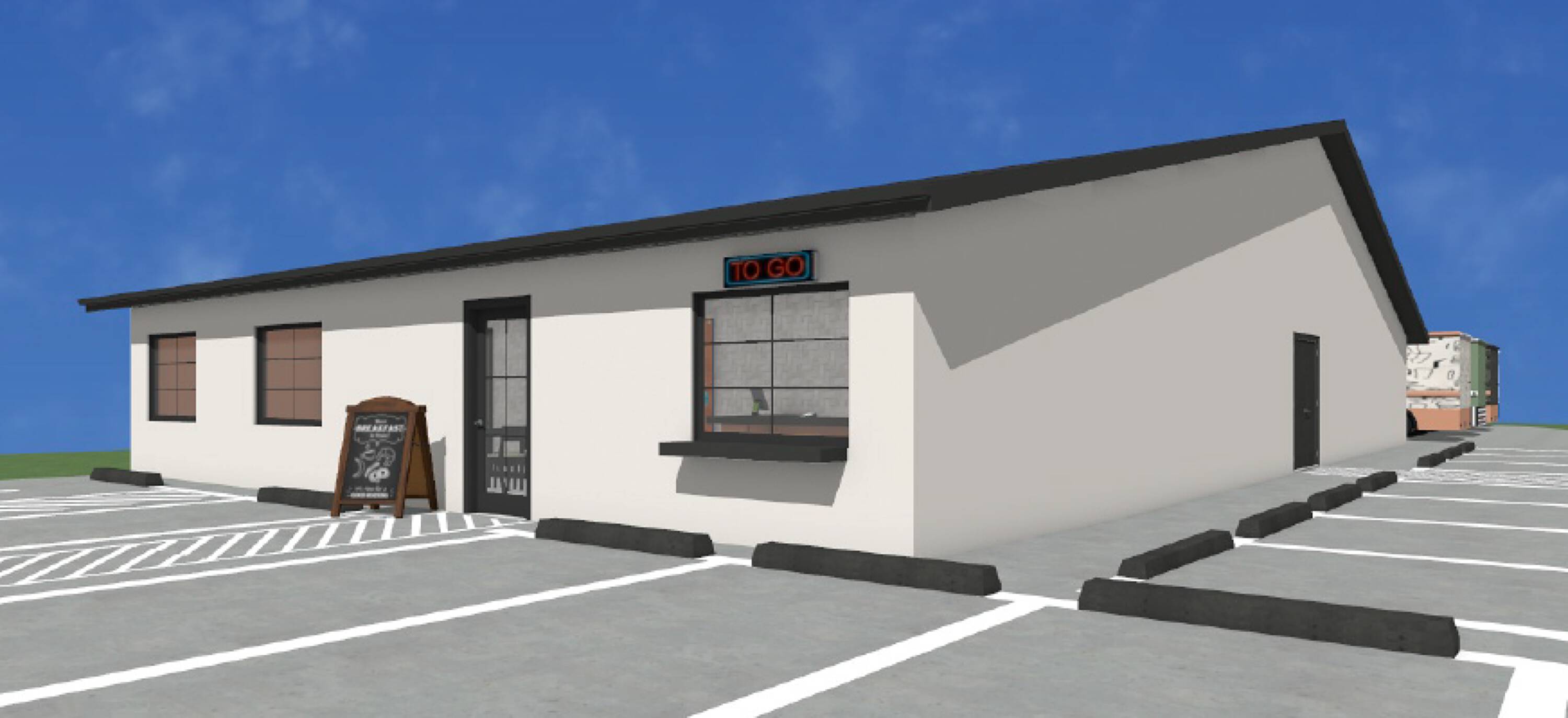
Ray has been investing since 2004 and built a portfolio of more than 100 single-family homes before deciding to pivot. Over the last 18 months in the Accelerator he reshaped the portfolio toward commercial: five operational restaurants, an assisted living facility, and a 5,000 SF commissary kitchen that he just renovated and leased. Four more restaurant builds are in permitting and design behind it. Ray's strategy: deliver the buildouts most tenants can't afford on their own, then capture the rent premium that comes with turn-key space.
Marcus Kittrell
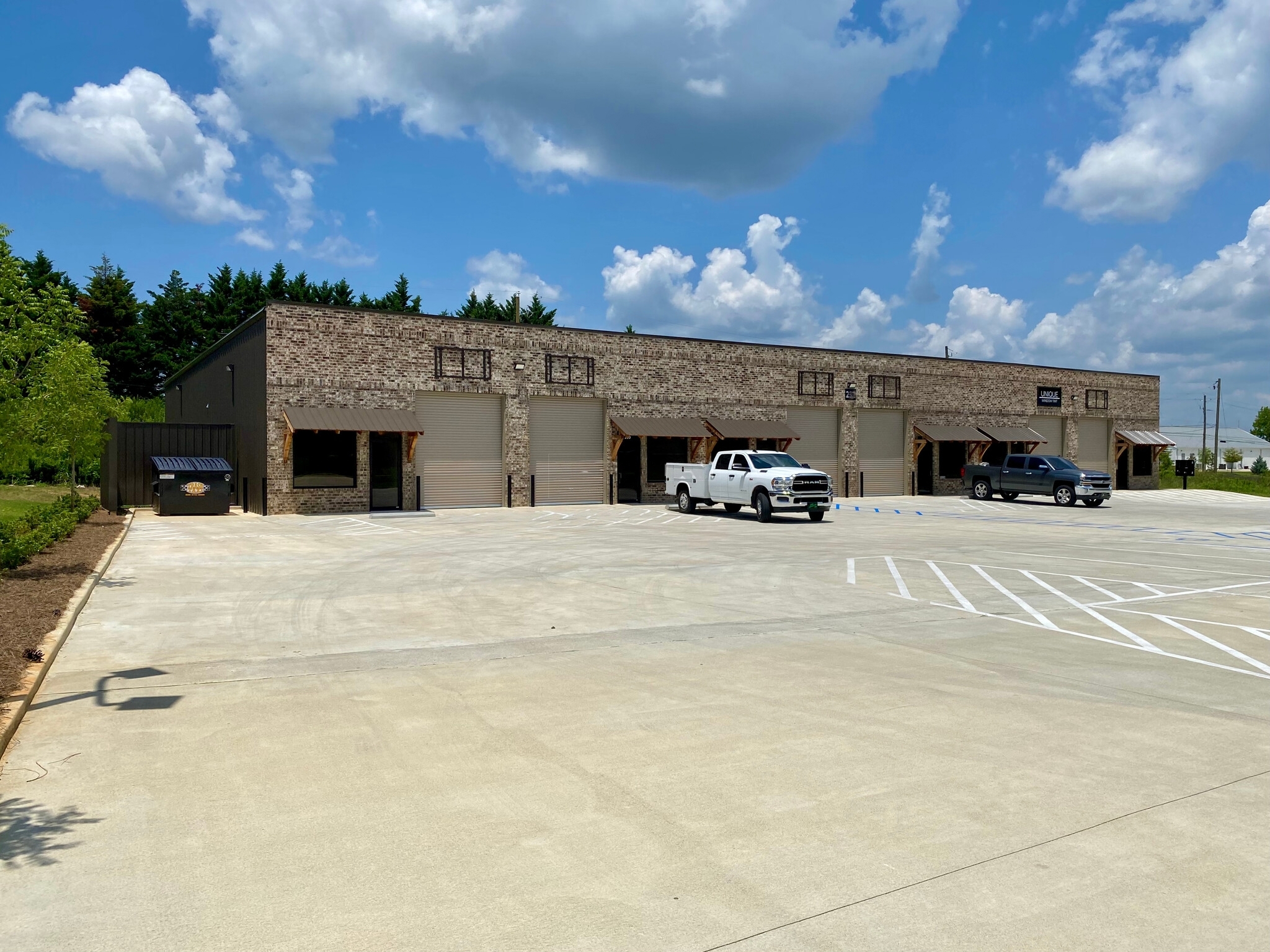
Marcus came up in the car wash business, which taught him to build premium product that didn't compete on price. He brought the same philosophy to flex: brick facade, lit parking, mezzanine storage in every unit, conditioned warehouses, and luxury finishes throughout. Every bay leased in 60 days at top-of-market rents with no price negotiations. He stopped competing on price by refusing to build a commodity.
Matt Barbaccia
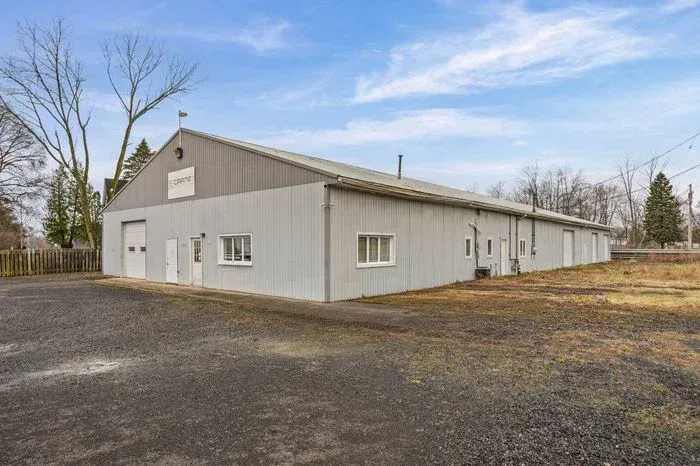
Matt bought a 70% vacant flex industrial building from an estate sale at $24 per square foot, then raised 100% of the purchase price as private debt at 10% fixed interest from family and two private lenders. He restructured the inherited tenant from a handshake to a formal NNN lease, doubling the rent. Signed a new tenant for the largest unit and now sits at 71.5% leased with refinance underway. Total time from joining the Accelerator to close: 45 days, the fastest in our history.
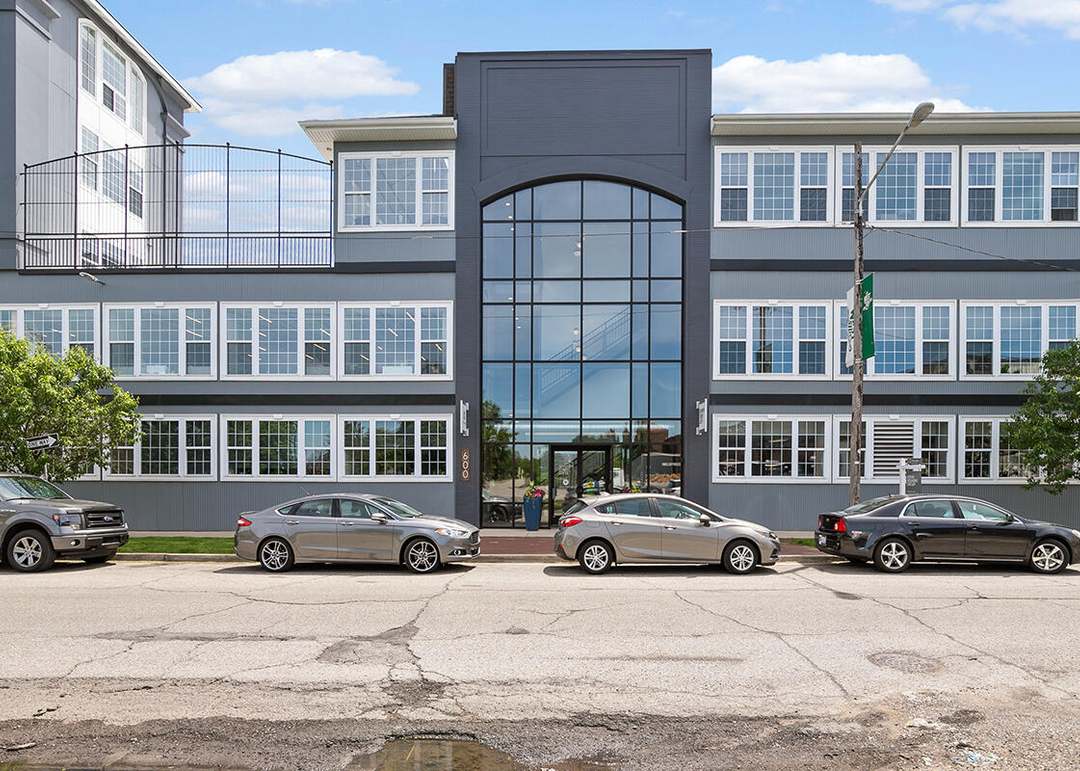
Chad Acerboni
Chad came in from multifamily and tech sales. Joined the Accelerator in October. Six months later, he was executing a 1031 exchange from a fourplex into a Class A mixed-use commercial building anchored by a multibillion-dollar tenant and a community coffee shop. Appraisal came back $100K over purchase price. Stabilized value projects significantly higher after leasing the final vacant unit.
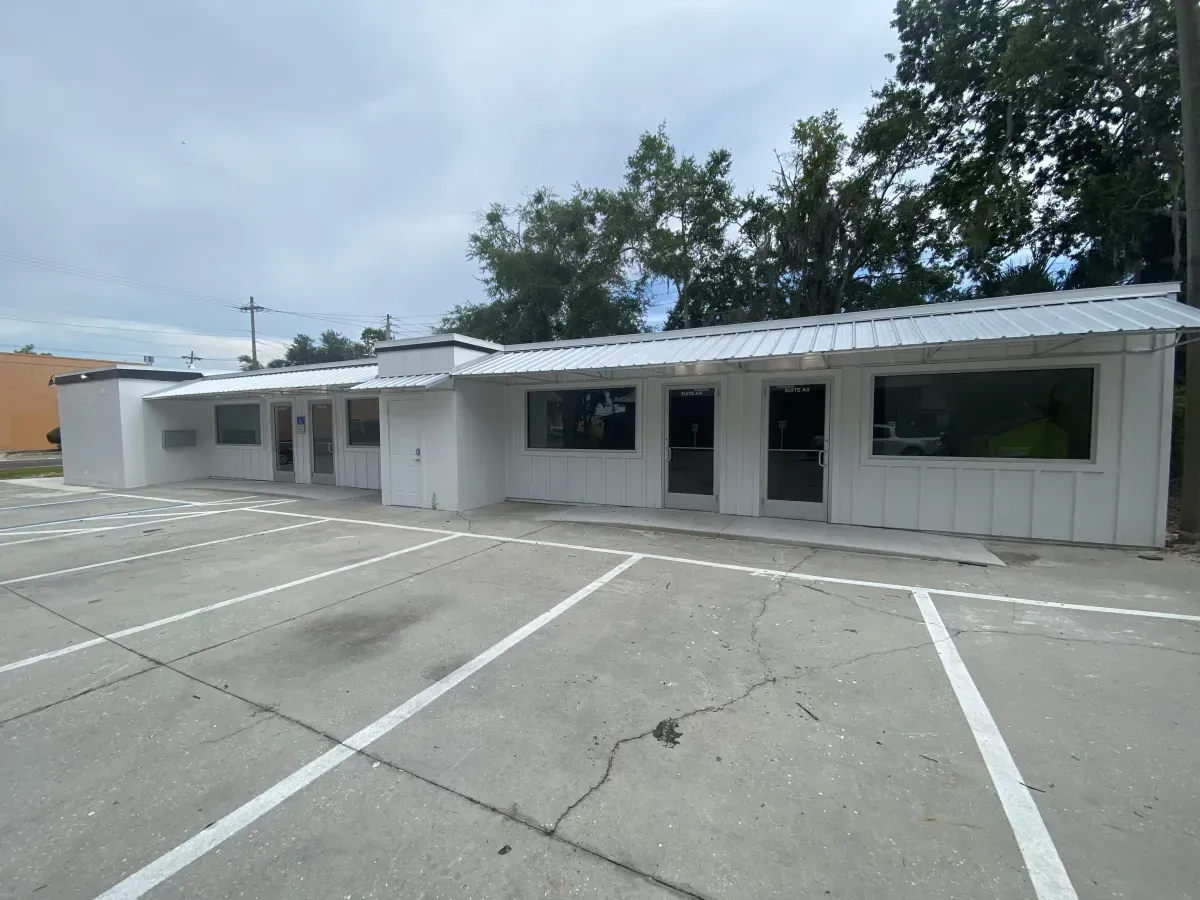
Chris Thorndike
Chris spotted an abandoned car wash on a walk with his daughter, struck up a conversation with the owner that Friday, and had a contract signed by Monday. Over 18 months he converted it into seven micro-retail suites with modular drywall buildouts and drainage prepped in every wall for future tenant changes. A QR code on the construction signage pulled 60-plus leads before the doors opened. Acquisition $400K, total invested roughly $750K, current valuation around $1M. The result is a 25% cash-on-cash return on what used to be an empty building.
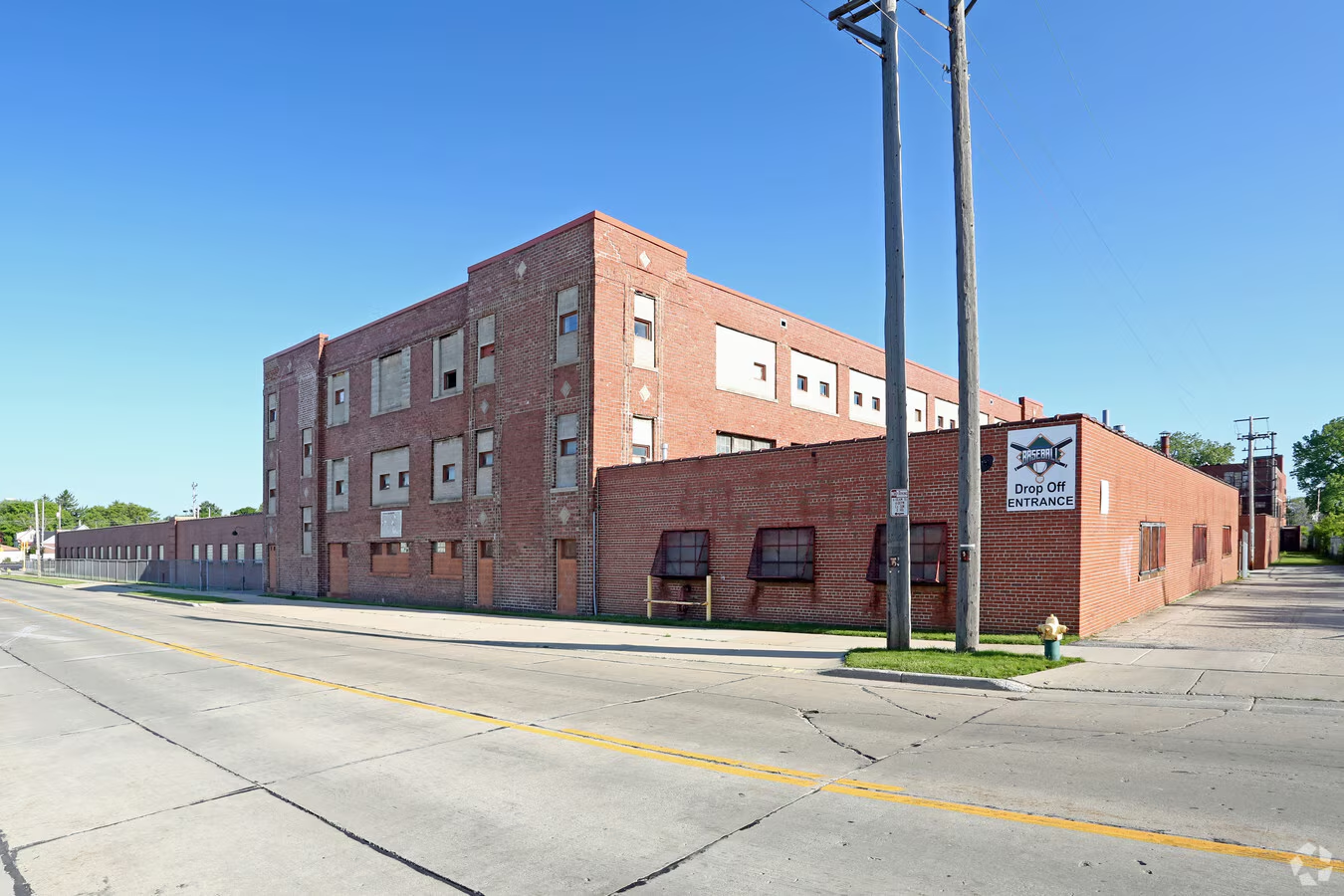
Ross Beal
Ross is a software engineer in California who built his own program to scour the internet for deals matching his exact criteria. The Center came up: a 300,000 square foot multi-building industrial facility, the original home of Hamilton Beach Manufacturing, already cash-flowing with tenants in place. He worked the deal for nine months, assembled the right partners, and put together a 105-page business plan that was undeniable to lenders. Phase 1 of a 400-plus-unit self-storage conversion has already opened on the previously vacant space, a deal most operators wouldn't touch until their fifth or sixth commercial acquisition.
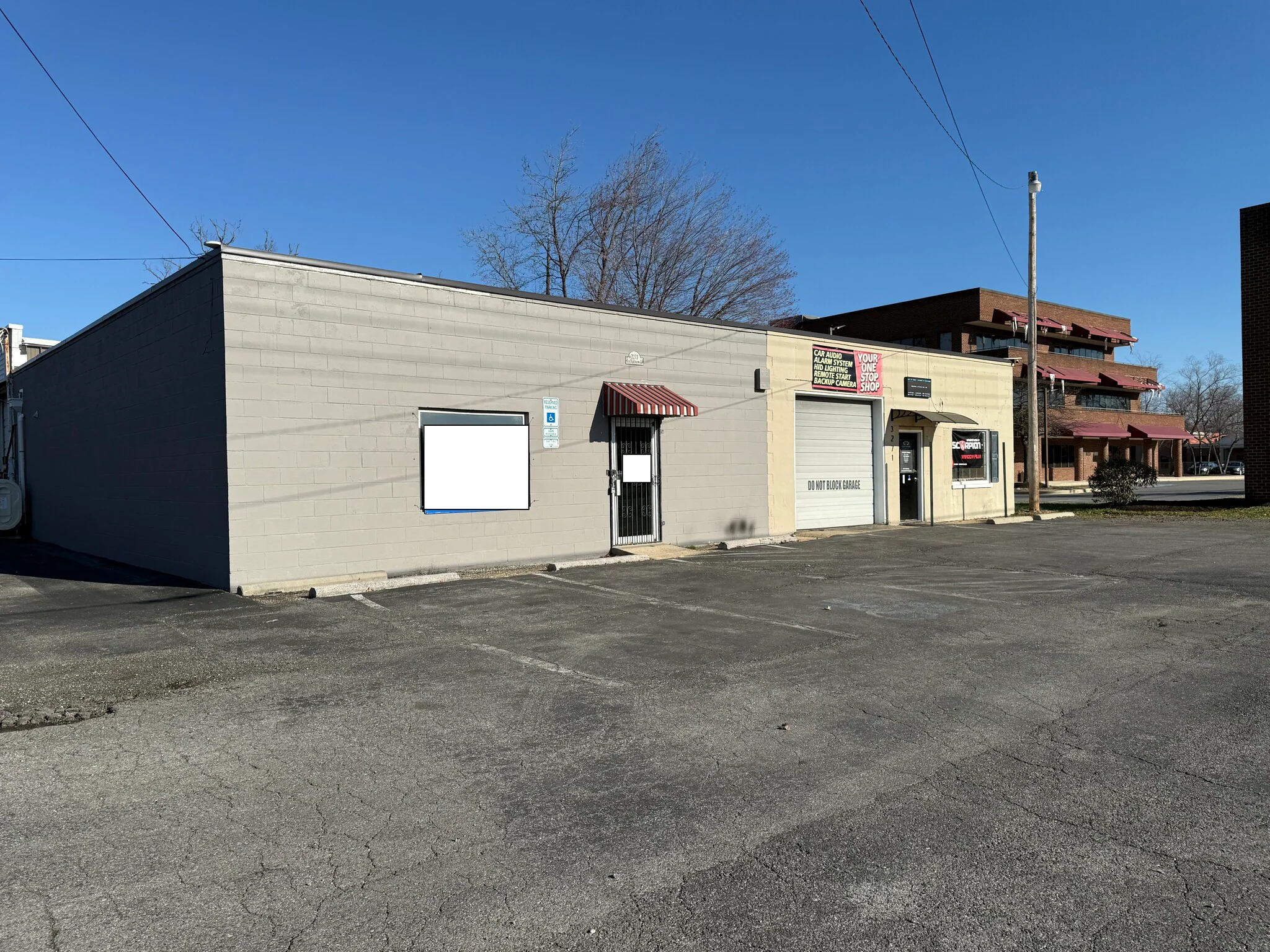
Bob Vanarkel
Bob spent 13 years as an electrician and built a 75-door residential portfolio before the toilets-and-tenants grind pushed him toward commercial. He found his first building on Facebook Marketplace the same night as a Thursday member call: a shuttered print shop selling as an estate fire sale that other investors had passed on. Bob saw the value they missed, with 15-foot ceilings, 480V power, drive-in doors, and a fenced yard. He is all-in around $50 a foot, targeting a stabilized value near $650K.
Natalie Garza
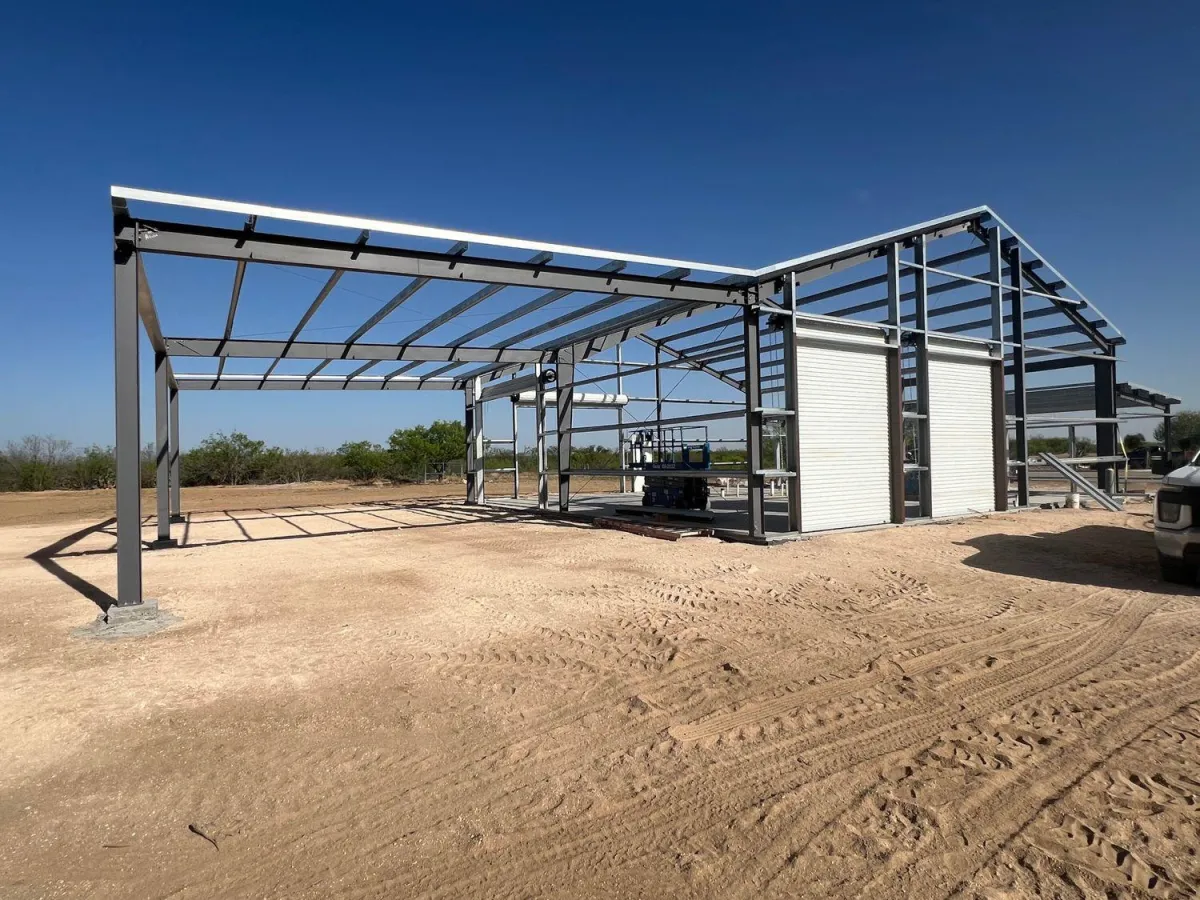
Natalie and her husband run a commercial construction company in the Permian Basin, where oil-and-gas demand keeps warehouse space scarce. When a 1.1-acre industrial lot with an existing 3,500 SF warehouse hit the market at $400K, she toured it and offered the same day. The plan: owner-occupy the existing building and add two 4,000 SF warehouses she builds herself for about $40 a foot, against market rents of $14 to $21. Self-performing the construction is what turns it into a standout return.
Alec McElhinny
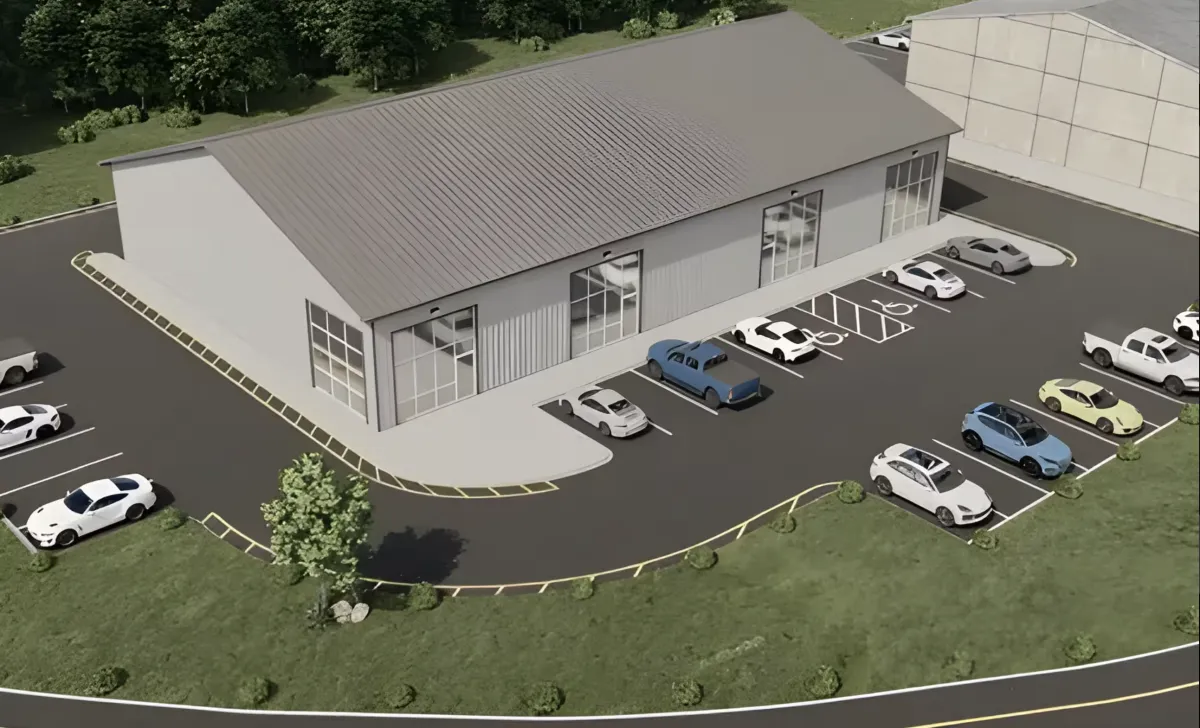
Alec was studying to be an actuary and tending bar when the math on retiring off stocks pushed him toward real estate. One of the Accelerator's first ten members, he skipped duplexes and went straight to industrial, partnering on a 54,000 SF value-add in tertiary Minnesota with a seller carry that softened the down payment. Now in Texas, he is going full cycle on his first ground-up project and breaking ground on a $10M flex retail development fronting I-35 in New Braunfels.
Nicki Mac
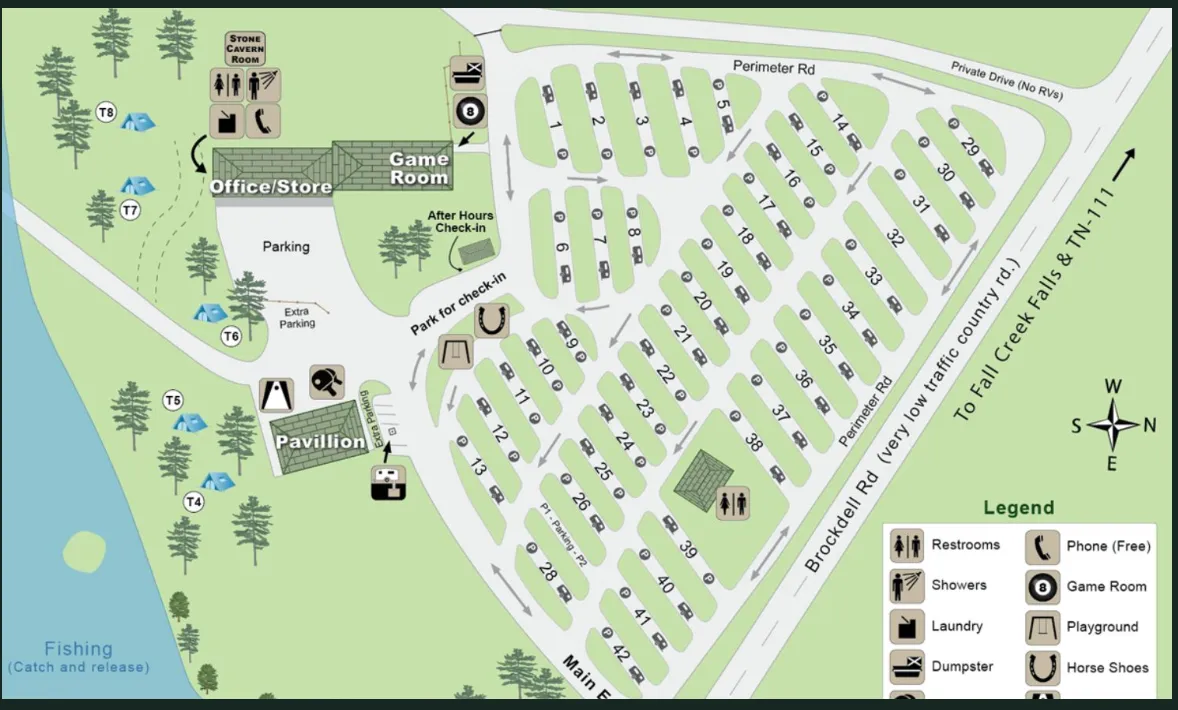
Nicki and her sister built their first RV park from raw land in Tennessee, growing it from a handful of sites into a stabilized, cash-flowing park. With that playbook proven, she moved to acquire Mountain Glen, a 37-acre RV park and campground on the Cumberland Plateau in Pikeville, minutes from one of the highest waterfalls in the eastern U.S. Buy-box discipline and strong vendor and contractor relationships let her scale into a larger, operationally intensive asset with confidence, structuring the acquisition to force appreciation and grow the portfolio.
Kurt Gutormson
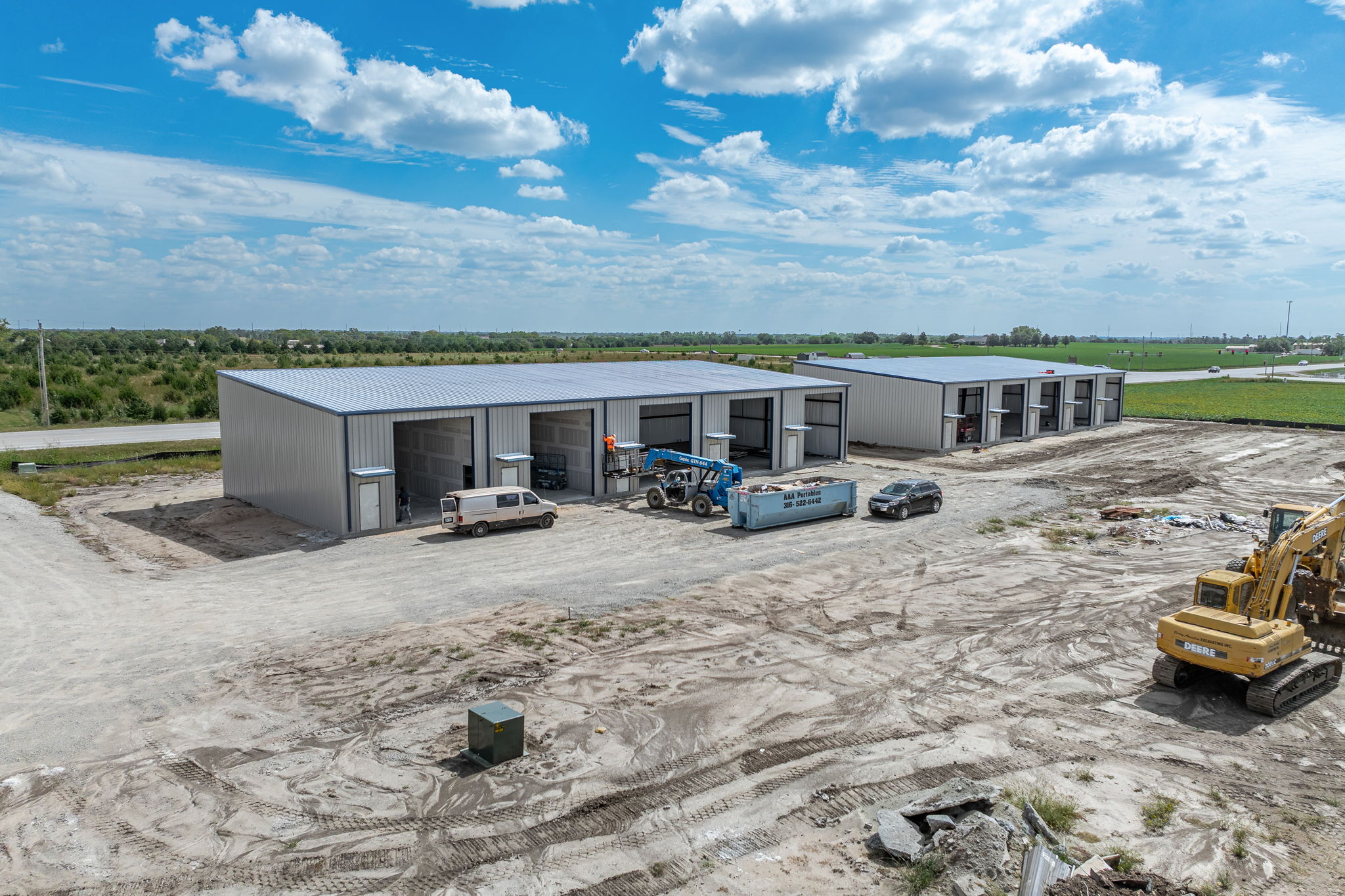
Kurt broke ground on an 8,900 SF flex industrial project with 4,500 SF already pre-leased at about $9 per square foot NNN before the first shovel hit the ground, and the remaining bays targeted near $11 per foot. He used Accelerator calls to validate his construction costs, just under $100 per square foot, and to pressure-test his lease-up assumptions before committing a dollar. Locking in a lead tenant that early takes most of the risk off a ground-up deal.
David Cothran
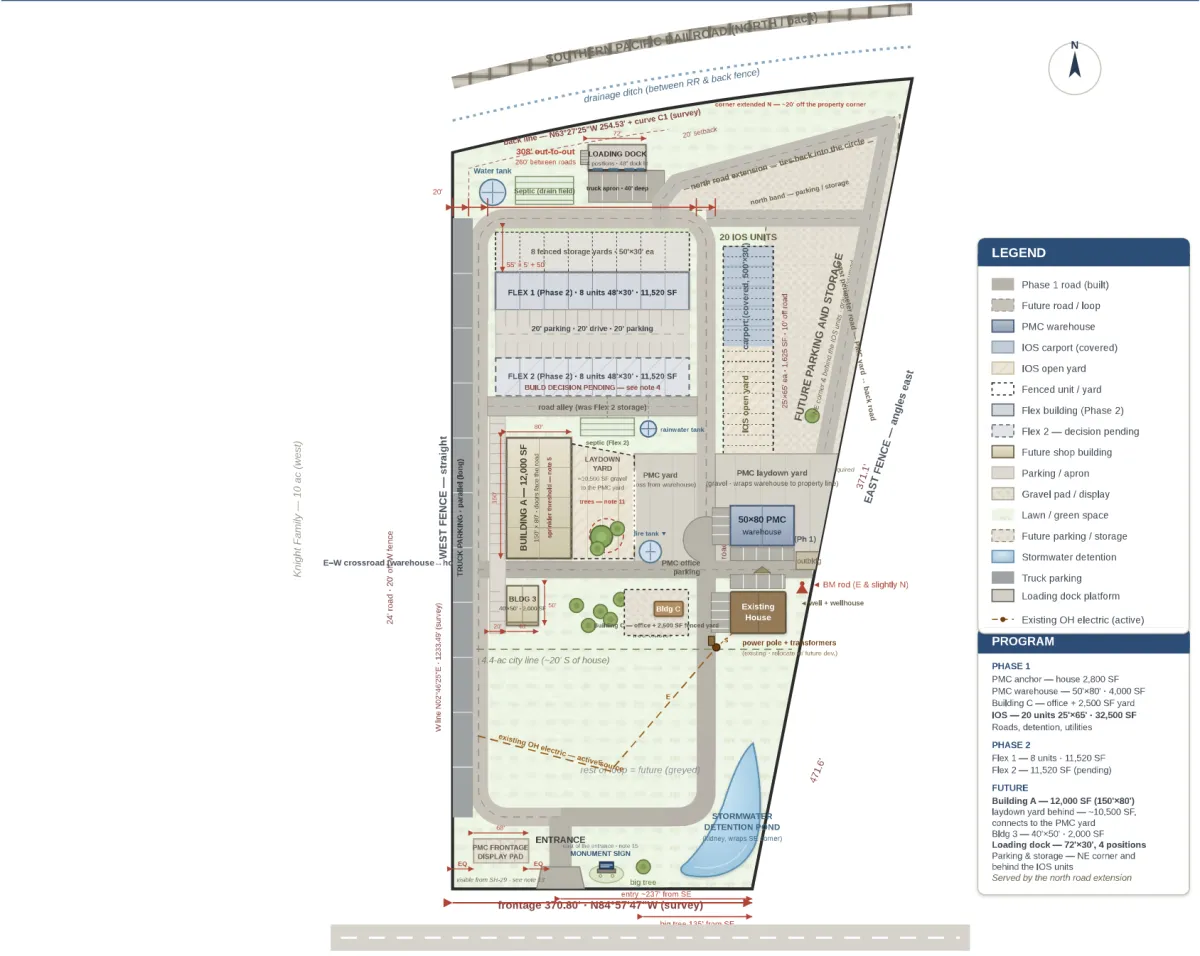
David secured a hard-to-get commercial driveway permit that unlocked The Railyard, a multi-building industrial and flex business park on State Highway 29 frontage. Phase 1 combines a remodeled anchor building, a new warehouse, a leased flex building, and a 20-unit industrial outdoor storage yard, with additional phases to follow. He leaned on Accelerator feedback and AI tools for site planning and feasibility to maximize the land’s long-term value.
The Deal Analyzer
The flagship tool members use to underwrite every live deal. Take it for a spin below.
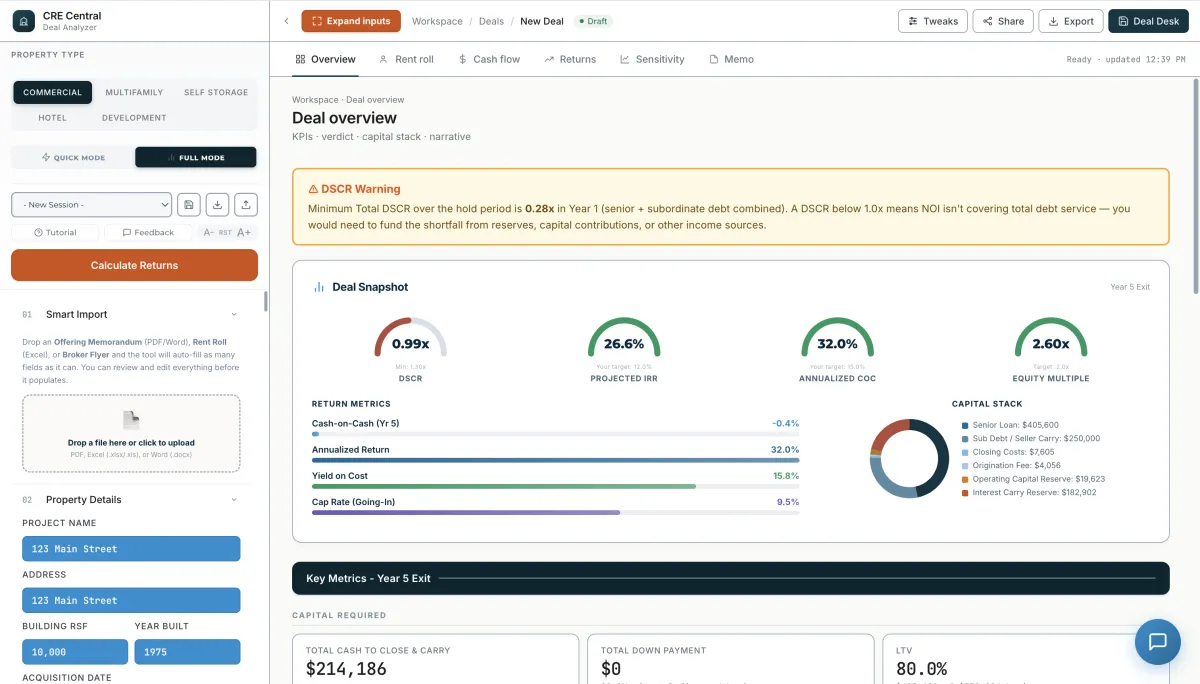
The Deal Analyzer is built for desktop. Bookmark this and try it from a laptop or computer.
Plus our entire suite of proprietary software
Deal Desk
The unified hub for tracking every deal in your pipeline, from initial sourcing through closing. One login, one place to manage every deal you're working on.
Due Diligence Tracker
Structured checklist for every diligence item on a live deal so nothing slips through the cracks at closing.
Cost Estimator
Build renovation and construction budgets by line item using regional cost data. Underwrite capex assumptions before you offer.
The software that closes deals.
Three professional-grade tools used by working investors and brokers to underwrite, track, and close commercial real estate deals, built by Tyler Cauble and the Cauble Group team.
Underwrite any commercial property in minutes. Not days.
Make confident go/no-go calls on any deal before your next coffee gets cold. Project cash flow across any hold period up to 20 years, on any of five property types: commercial, multifamily, self-storage, hotel, or ground-up development. Every metric your lender, LP, or partner will ask for: IRR, DSCR, equity multiple, capital stack, sensitivity analysis, recalculated live as you tune assumptions. The same engine the Cauble Group team uses on real deals.
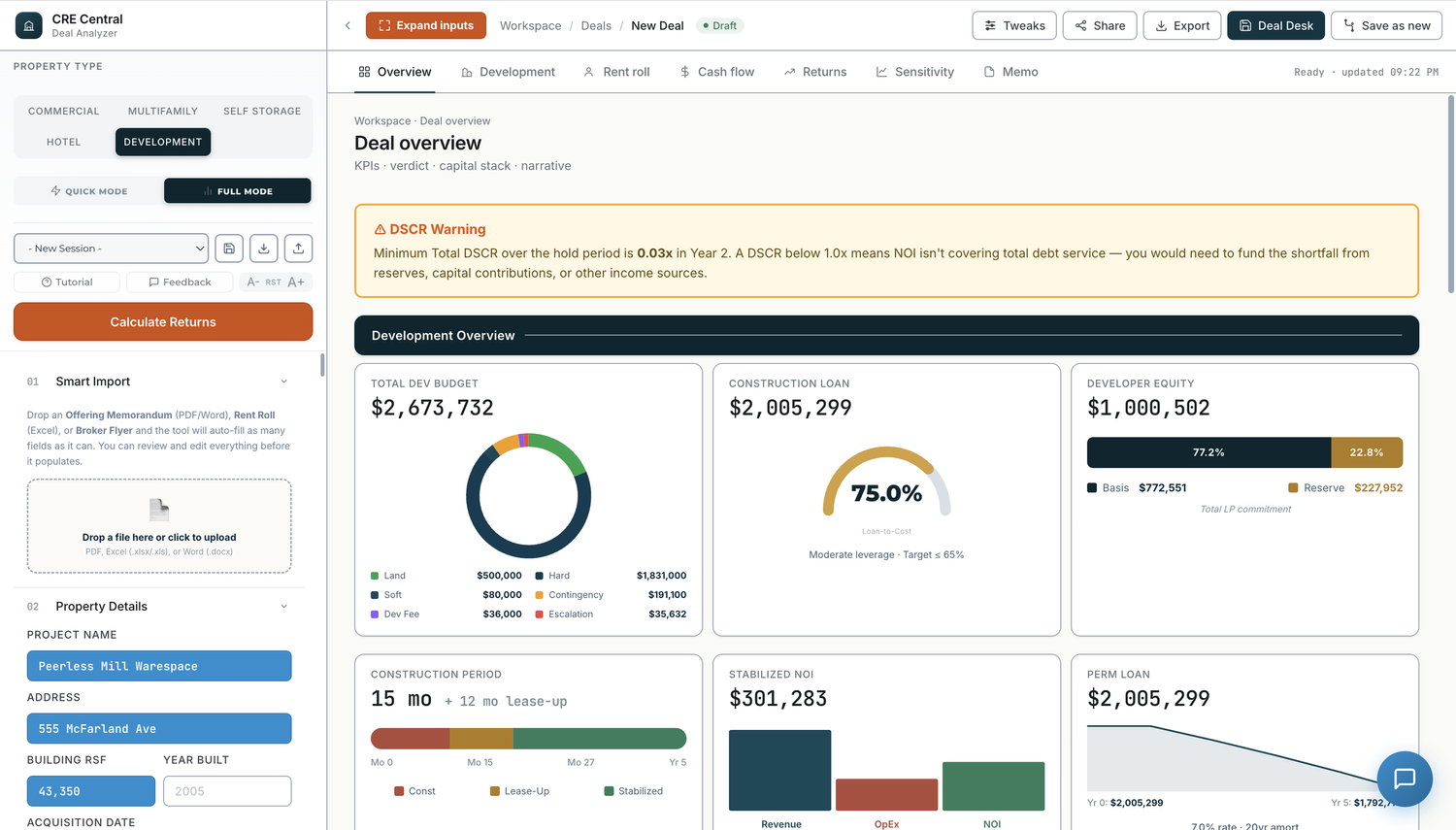
Five property types
Commercial, multifamily, self-storage, hotel, and ground-up development. Each with its own input sections and projection logic.
Real-time risk alerts
The tool calls out problems before you sign: DSCR warnings, debt coverage shortfalls, negative cash flow years.
Total project budget
Visualized breakdown of land, hard costs, soft costs, contingency, developer fee, and escalation, at a glance.
Construction loan sizing
Live LTC gauge with target indicator. Knows when you're over-levered before your lender does.
Developer equity structure
Basis vs reserve split. See exactly how much LP commitment you need to close.
Construction + lease-up timeline
Visual project timeline showing construction, lease-up, and stabilization milestones.
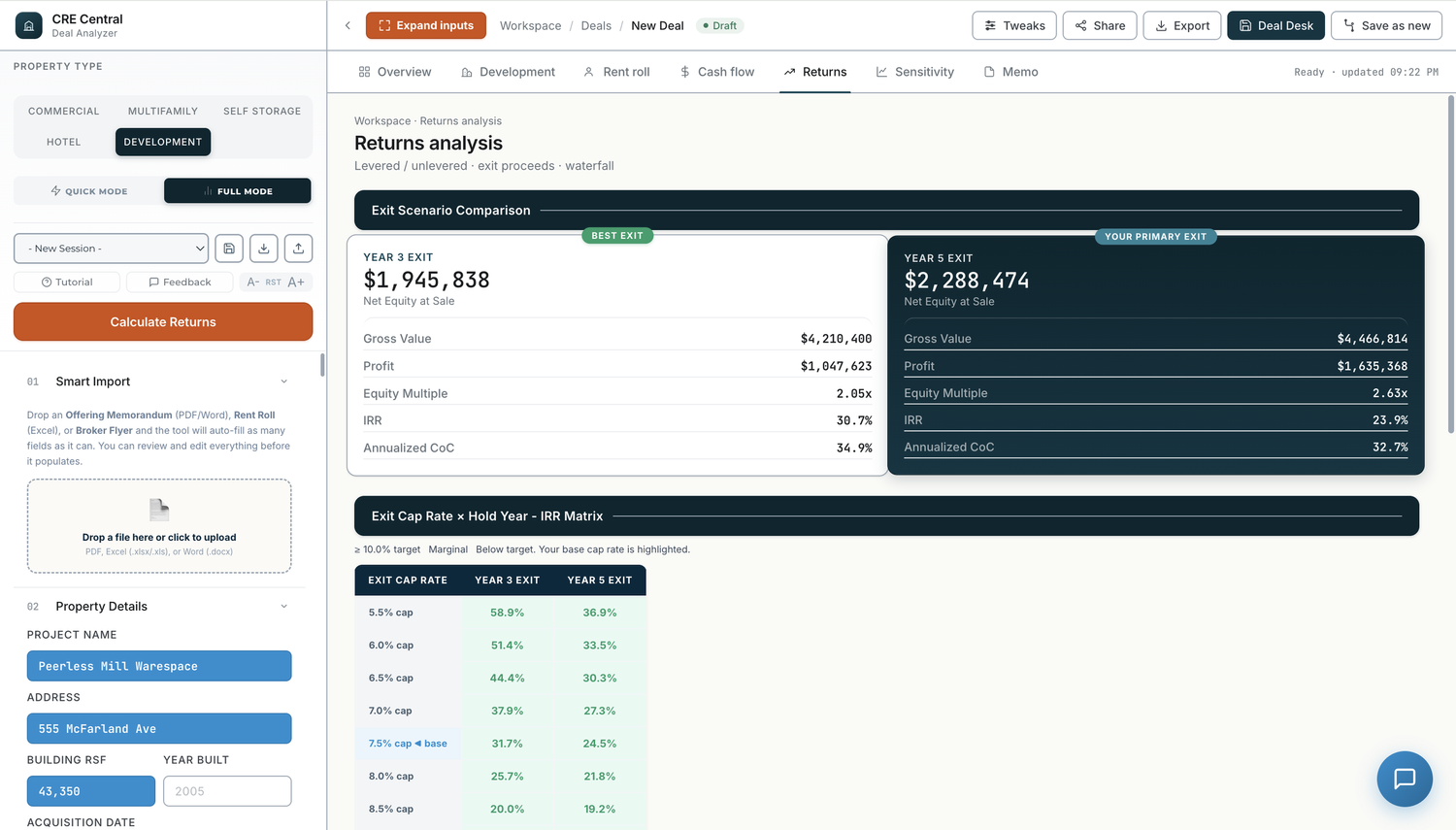
Side-by-side exit scenarios
Compare different exit years on one screen. See whether a 3-year hold beats a 5-year hold before you commit.
"Best exit" auto-flagged
The tool picks your strongest hold period and tags it, based on IRR, equity multiple, and timing risk.
Levered + unlevered + waterfall
Every key return metric: IRR, equity multiple, annualized CoC, profit, at every hold period.
Exit cap × hold IRR matrix
See how your IRR moves under every plausible exit-cap scenario. Stress test before your LP asks.
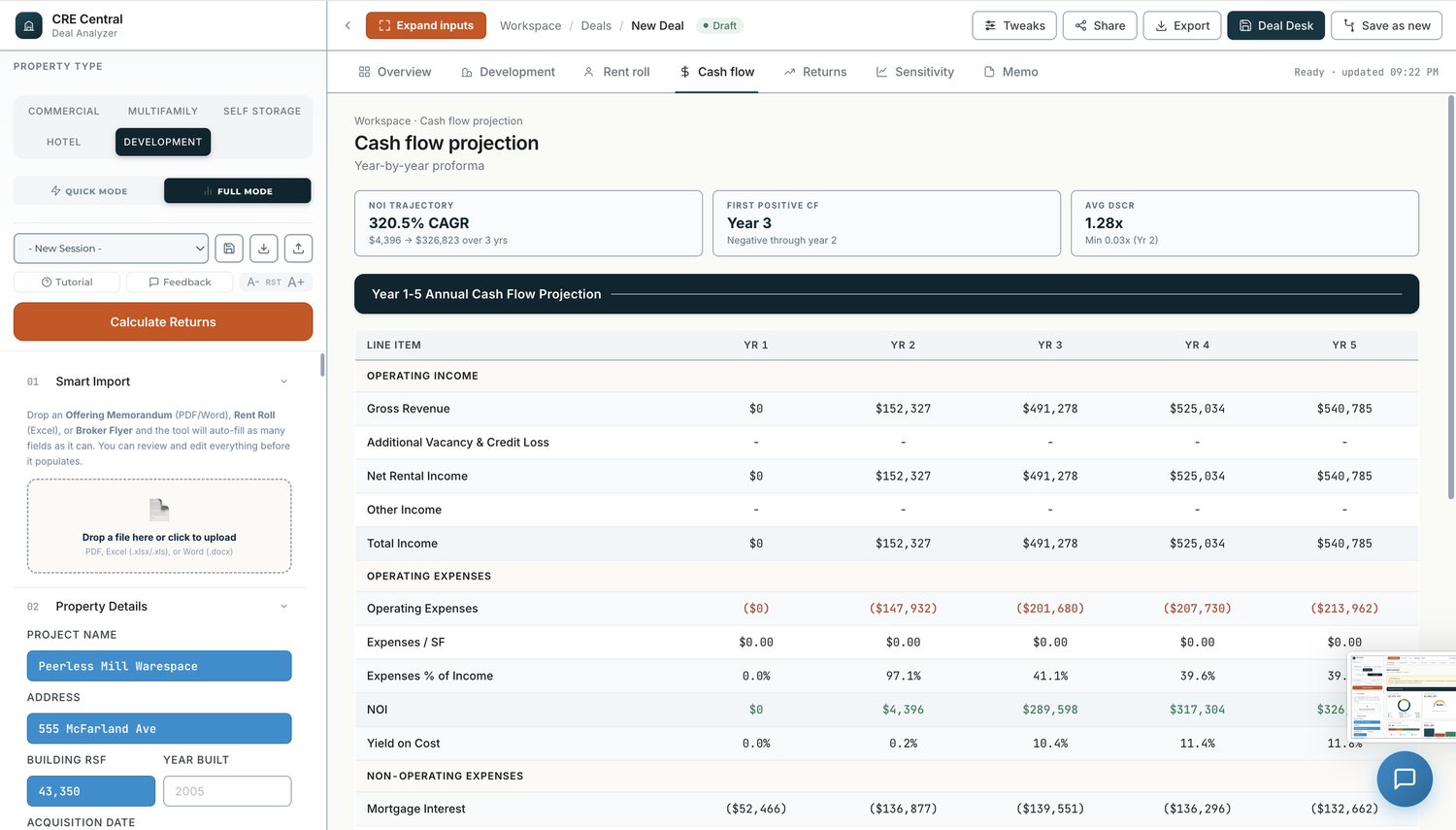
NOI growth trajectory
Compound annual growth rate of your NOI across the hold period, at a glance.
First positive cash flow year
Know exactly when your deal stops bleeding cash. Critical for development and value-add underwriting.
Average DSCR across the hold
Hold-period debt service coverage (not just Year 1), so you see covenant risk before it bites.
Year-by-year P&L
Full operating projection: gross revenue, vacancy, NRI, opex, NOI. Every line, every year.
Debt service detail
Mortgage interest, principal pay-down, and ratio metrics broken out so you can defend the numbers to any lender.
Your entire deal pipeline at a glance.
Stop losing deals to scattered spreadsheets, sticky notes, and inbox chaos. Track every property you're looking at, from first showing to closing day, in a single visual pipeline. Every deal card surfaces the metrics that matter (cap rate, cash-on-cash, IRR) and stays automatically linked to its underwriting and due diligence, so you never lose context jumping between tools. Your next eight-figure deal shouldn't live in your inbox.
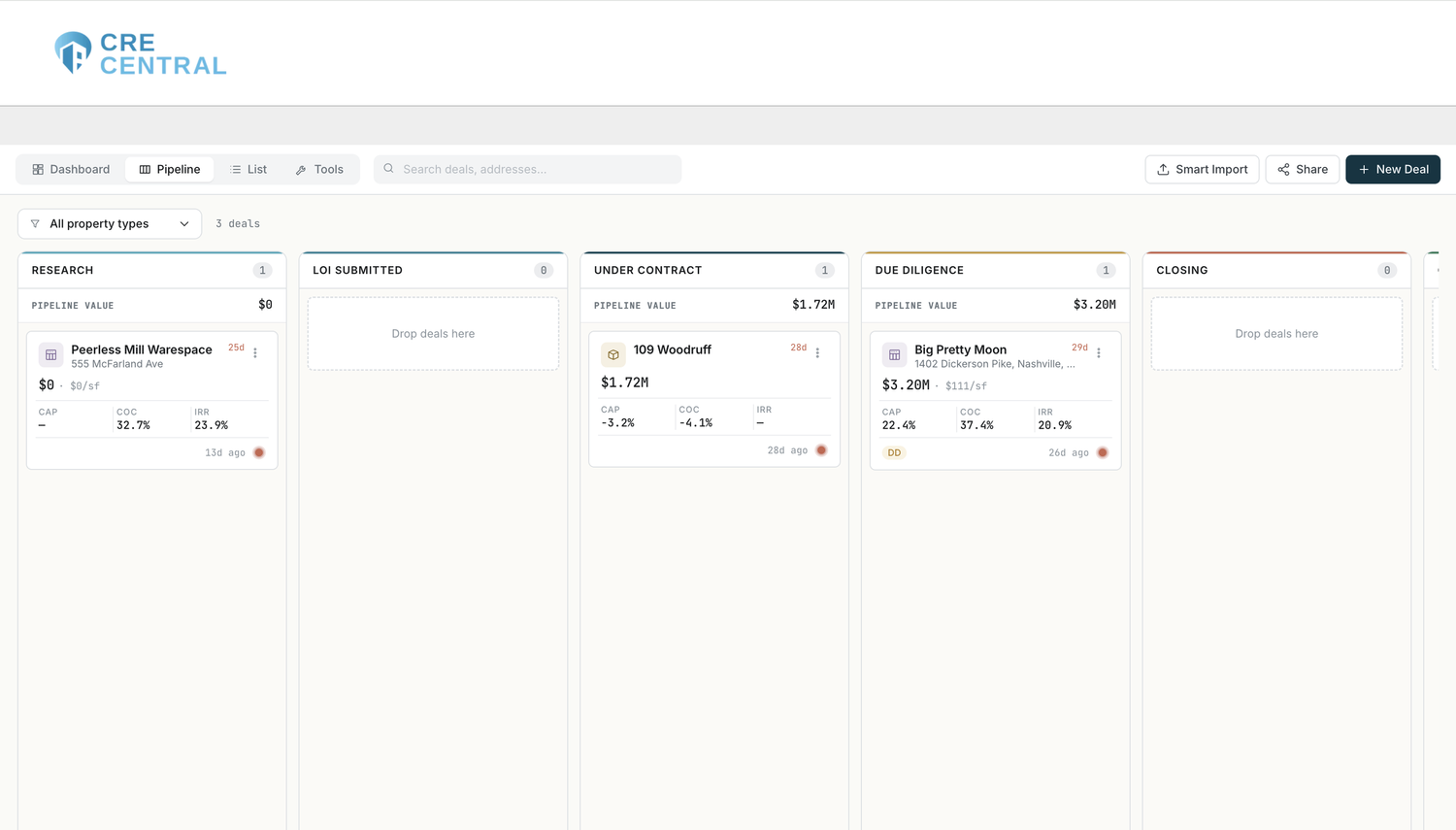
Six-stage deal funnel
Research → LOI Submitted → Under Contract → Due Diligence → Closing → Closed. Drag cards through stages as deals progress.
Pipeline value per stage
Total dollar value in motion at each stage. Know your funnel health at all times.
Metrics on every card
Cap rate, cash-on-cash, IRR, surfaced on each deal card so you never have to re-open the analyzer to remember the numbers.
Smart Import
Drop in an OM, rent roll, or broker flyer. The tool auto-fills the deal name, address, price, building SF, year built, and broker.
Search everything
Find any deal by address, name, or broker, even deals you closed two years ago.
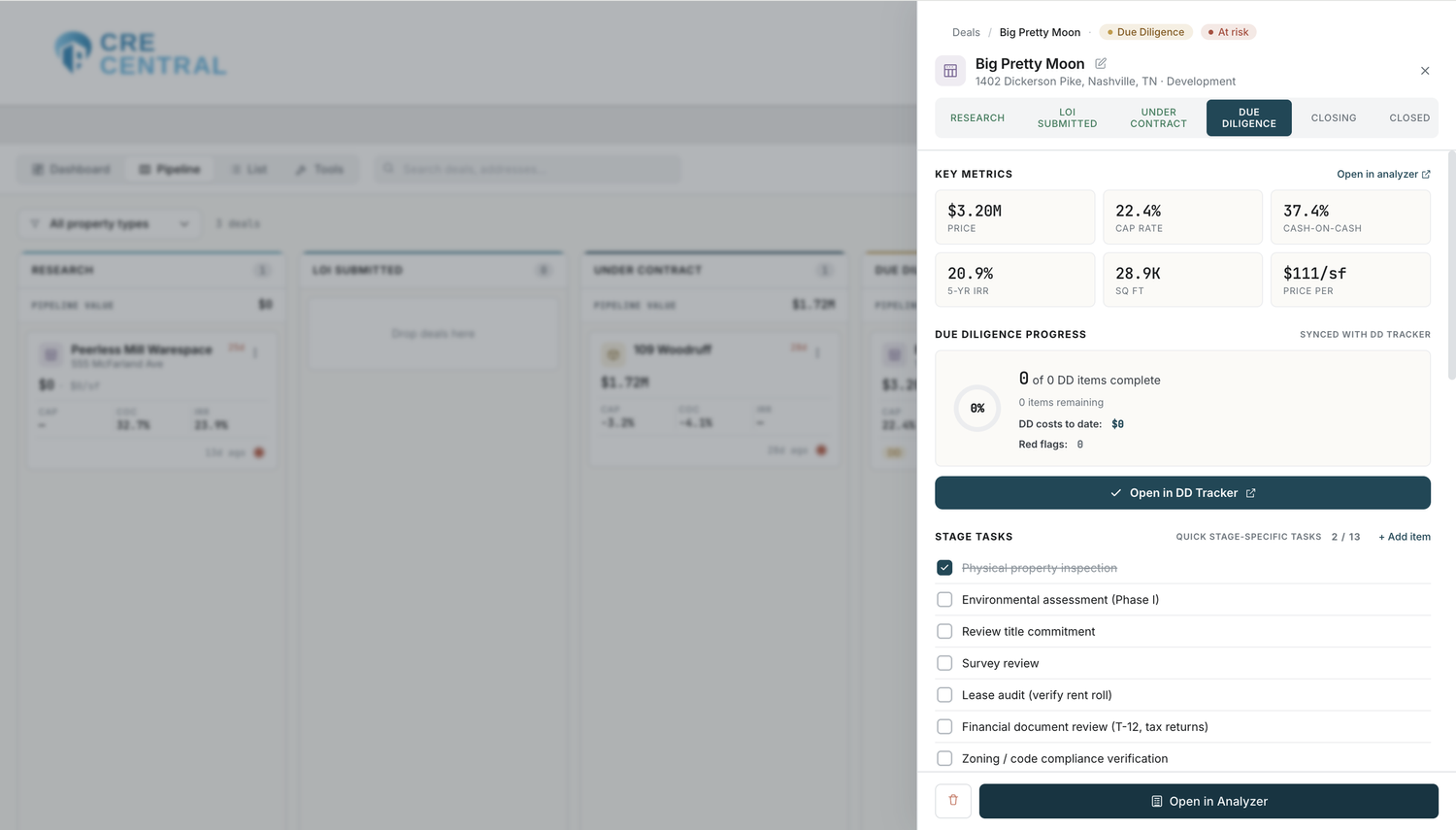
Visual stage progression
See exactly where every deal is in the funnel, and what comes next.
Key metrics dashboard
Price, Cap, CoC, IRR, SF, and price-per-SF, all on the deal card. No double-entry.
DD Progress, synced
Real-time progress from the Due Diligence Tracker. See completion %, DD costs to date, and red-flag count without leaving the Deal Desk.
Stage-specific tasks
Each deal stage has its own checklist of typical tasks. Check them off as you go.
One-click cross-tool jumps
Open the deal in the Analyzer to retweak underwriting, or in the DD Tracker to log progress without losing context.
Never miss a due diligence item.
The 30-to-60-day window between contract and close is where most deals quietly die. Missed inspections, surprise environmental issues, lease abstracts no one read. The DD Tracker walks you through 50+ standard due-diligence items across six categories (documents, environmental, financial, legal, operational, physical), organized week-by-week, with Tyler's tactical advice baked into every line: what to demand, what to look for, what's a red flag. Plus a contact roster, real DD cost tracking, document attachments, and a polished PDF report you can hand to your lender or LP.
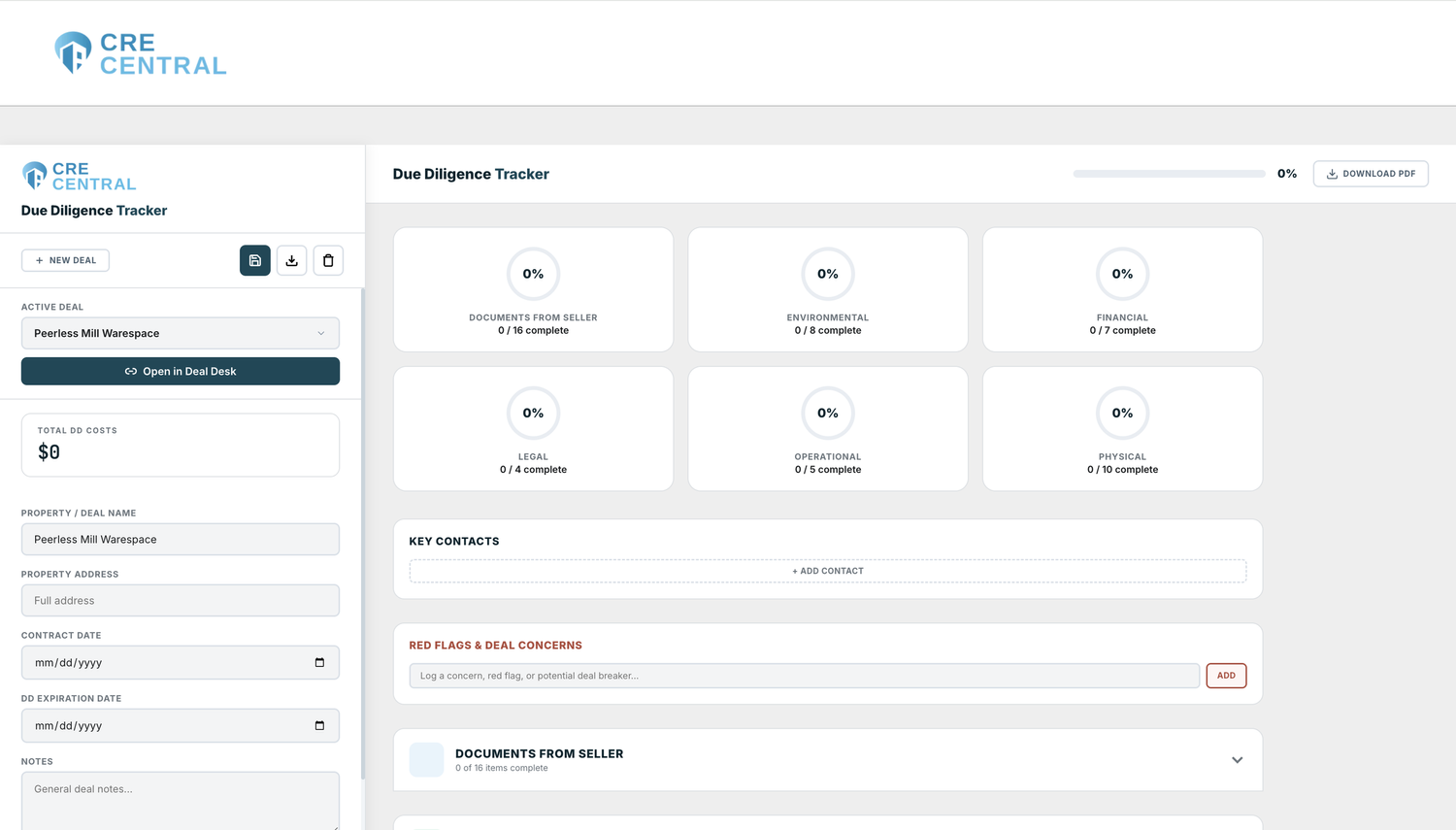
Linked to your Deal Desk
Pick any deal from your pipeline. The DD tracker remembers your progress, costs, and notes per deal.
Six DD categories
Documents (16 items), Environmental (8), Financial (7), Legal (4), Operational (5), Physical (10). 50+ standard items pre-loaded.
Key contacts roster
Track everyone on the deal: broker, lender, inspector, attorney, environmental consultant, all in one place.
Red-flag log
Capture every concern, risk, and deal-breaker as you find it. Decide whether to push, renegotiate, or walk.
Export to PDF
Generate a polished DD report to send to your lender, attorney, or partners, anytime during the process.
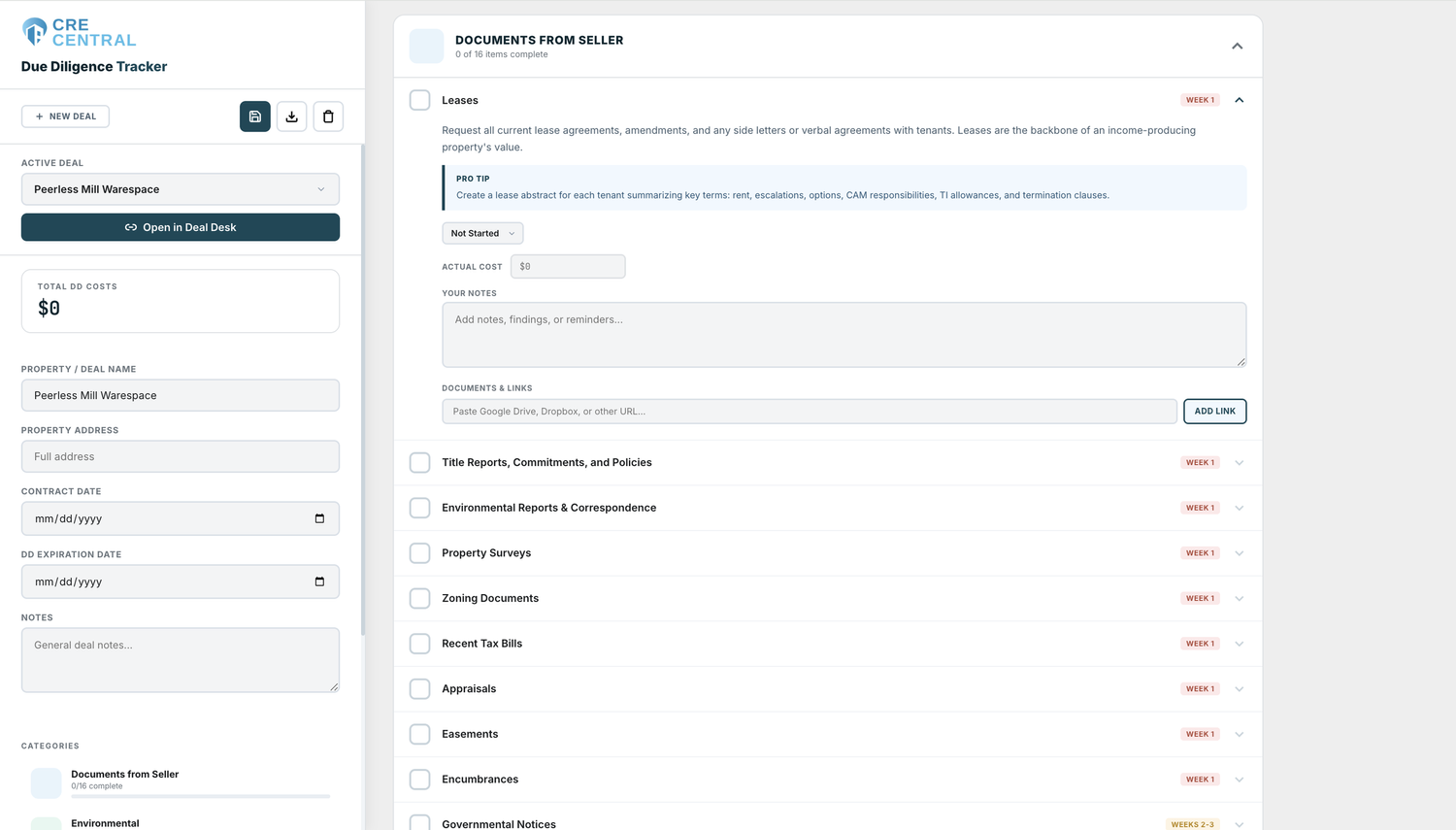
Detailed item-level workflow
Each DD item is a full workflow: description, instructions, status, cost, notes, and supporting documents.
Week-based scheduling
Items pre-tagged by typical DD week (Week 1, Week 2, Week 2-3, etc.) so you know what should already be done.
Pro tips inline
Tyler's tactical advice baked into every item: what to request, what to look for, what tends to go wrong.
Real DD cost tracking
Log what each line item actually costs: environmental, survey, inspection, legal. See the total roll up in real time.
Document attachments
Paste links to Google Drive, Dropbox, or any URL. Every supporting doc stays attached to its DD item.
Hear from Our Members
Real Investors, Real Results
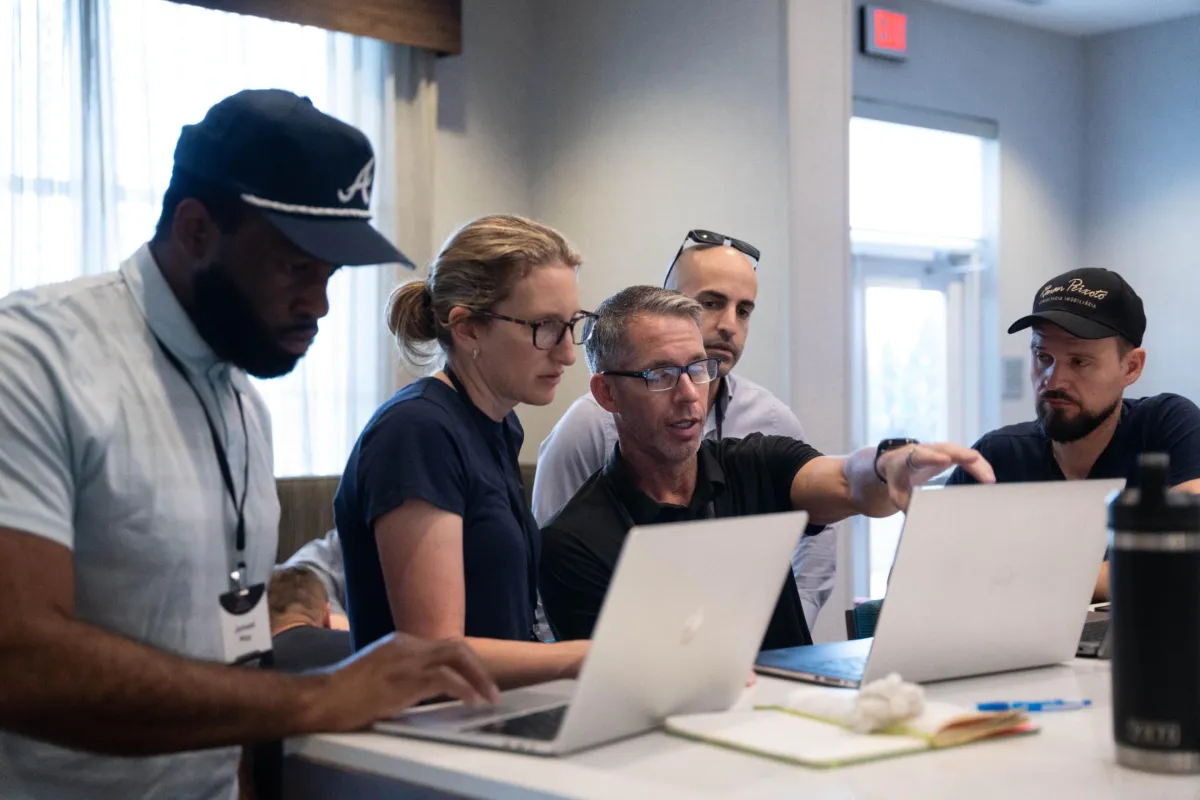
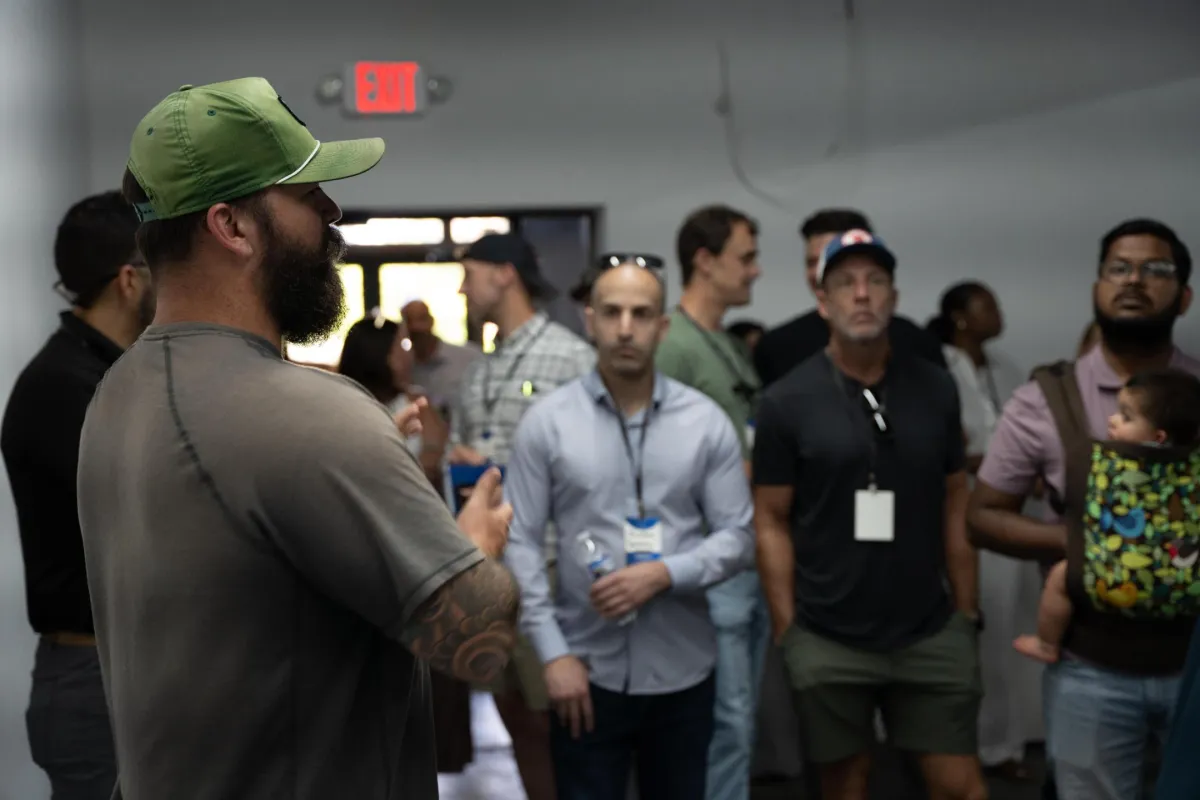
Members of the CRE Accelerator Mastermind, in their own words.





I'm Tyler.
And I'm glad you're here!
I’m a commercial real estate investor with over $75 million in (mostly) East Nashville projects.
I got started as a commercial real estate broker in 2013, after dropping out of college. As a broker, I completed over $100 million in sales for other investors, and I figured it was time to start building my portfolio.
And I got hooked quickly. I went all in. I lived and breathed all aspects of commercial real estate investing, from leasing office, retail, multifamily, hospitality, and industrial spaces, to eventually buying my own assets. Today, I own over 2.1 million square feet of commercial property.
In my time working with hundreds of investors, I’ve come to believe two things:
● Commercial real estate investing offers the best bang for your buck in the investing world.
● Most people have what it takes to invest in commercial real estate but think it’s too complicated.
Here’s the thing - it’s really not.
In this program, I break down the entire process step-by-step. I’ve condensed my entire career and all the lessons I’ve learned into this practical, actionable steps so you have the knowledge, guidance, and support you need.
That's why I built the Accelerator.
Frequently Asked Questions
Answers to the questions that come up most often on fit calls.
The Accelerator is built for investors who are already in motion. Most of our members own at least one commercial property, are actively under contract, or have done enough single-family or small multifamily to know they want to scale into commercial. We have members running eight-figure portfolios in the room alongside members closing their second or third deal. The common thread: they've already proven to themselves that they're committed to this path.
If you've never done any real estate deal and you're still deciding whether this is the right path for you, the Beginner's Guide and the free YouTube library are the right starting point. Come back when you've got a deal under contract or a portfolio you're trying to scale.
A good chunk of our members are scaling, not starting. They're operators running multiple eight-figure deals a year, raising capital from limited partners, building family offices, and sharing deal flow with each other inside the room.
For these members the value is community, refined deal feedback, access to the contractor and lender network, and the ability to workshop strategic decisions (refinance versus sell, when to raise the next fund, how to structure the next acquisition). The Accelerator was not built only for first-deal operators.
The Accelerator is a meaningful annual investment, not a low-cost course. Payment plans are available, so the program is structured to be approachable for anyone who's committed to actually doing this.
We walk through specific pricing and plan options on the intro call. For most members the cost is meaningfully less than they save (or earn) on a single deal we help them underwrite, structure, or pass on.
If price is the deciding factor before you've talked to anyone, the Beginner's Guide and free YouTube content are the right place to start. Come back when you're ready for the mastermind.
We meet for two live mastermind calls every week. Most members spend three to five hours a week between calls, community engagement, and working on their own deals. The community runs on its own schedule, so you can dip in when you have ten spare minutes during the day. There's no required reading or weekly homework. The work is whatever you bring with you, which is your own deals and your own market.
The Beginner's Guide is a self-paced course. You watch videos, work through worksheets, and learn at your own pace. It's the right call if you're early and want to absorb the fundamentals before joining a mastermind.
The Accelerator is the mastermind: live deal sessions, a private peer network, member-tier software, and in-person events. You bring real deals you're working on, get feedback from me and the room, and use tools that don't exist anywhere else. The course teaches the fundamentals. The mastermind gets you across the closing table on real deals.
Less than most people assume. Members have closed deals with effectively zero of their own money out of pocket using a mix of seller financing, private debt, and creative capital structures.
What you do need is liquidity for due diligence costs: Phase 1 environmental, property condition reports, surveys, appraisals, legal. Plan on real dollars going out before any deal closes. The down payment is rarely the gate. The diligence costs are.
No. Members are spread across the country and operate in their own markets. We have active members in Florida, Alabama, Michigan, New York, Wisconsin, California, Tennessee, and beyond. We host two to three in-person events per year in Nashville and most members travel in for them, but the bulk of the program runs virtually.
The Accelerator is an annual membership. Twelve months of live mastermind calls, community access, software access, live events, and direct involvement from me on your deals. Most members renew because they want to stay in the room, but the commitment is one year at a time.
Every call is recorded and stored in the member portal. Most members miss a call or two over the year and catch up via recording. The community runs continuously, so even when calls are over, you can still drop a deal in the group at midnight and have feedback by morning.
That's exactly what the intro call is for. We talk for 45 minutes before anyone joins to make sure the fit is right. That conversation filters out members who wouldn't be served well by the program in the first place.
Once you're in, the entire program is structured around outcomes, not content delivery. The vast majority of members renew because the program pays for itself many times over on the deals it helps them close (or helps them avoid).
Ready to take your real estate investing to the next level?
f you're serious about getting into commercial real estate, I'd love to talk with you. This is the same community, coaching, and toolkit I wish someone had handed me when I was starting out. Let's see if it's the right fit.
© CRE Central 2026 All Rights Reserved